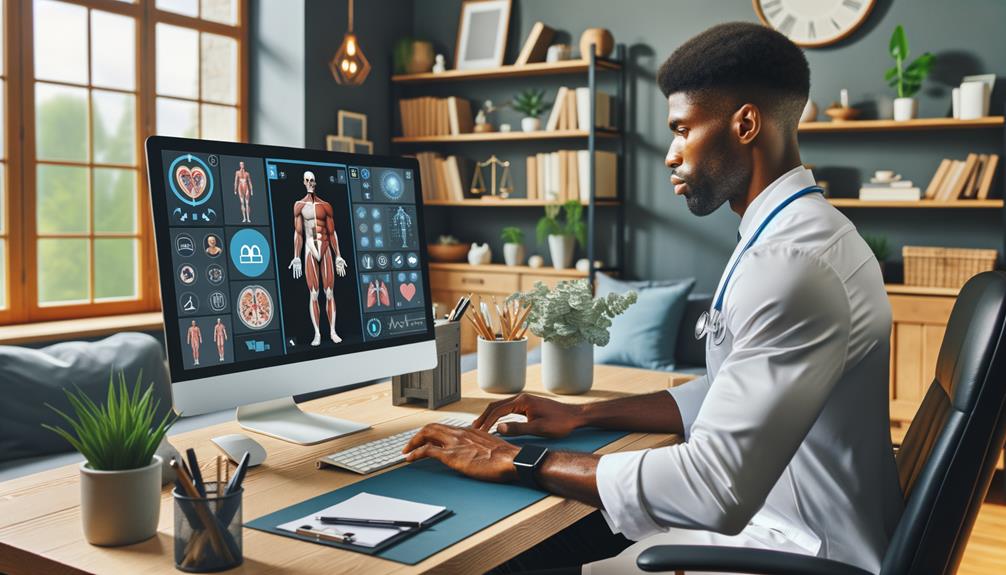
As a Registered Massage Therapist (RMT) and virtual consultation expert with over seven years of experience, I’ve observed the transformative potential of online consultations. They expand reach, improve client outcomes, and contribute to a thriving practice. This guide shares my expertise on understanding the virtual consultation process, implementing effective online communication, utilizing digital tools for assessment, delivering therapeutic solutions remotely, and building trust and rapport online, to help you successfully integrate online consultations into your RMT practice.
Understanding the Virtual Consultation Process

Virtual consultations offer RMTs a convenient, flexible, and secure method to assess client needs, provide guidance, and develop treatment plans without requiring in-person meetings. A 2022 survey by the American Massage Therapy Association (AMTA) indicated that 70% of massage therapists used virtual consultations during the COVID-19 pandemic.
Benefits of virtual consultations for RMTs include:
- Expanded reach and accessibility, particularly for clients with mobility challenges or demanding schedules.
- Enhanced flexibility in scheduling and conducting sessions.
- Increased client comfort and convenience.
- Ability to maintain high-quality care while prioritizing client confidentiality.
Understanding the virtual consultation process and its advantages enables RMTs to incorporate this powerful tool effectively into their practice and better serve their clients. Further insights into building your practice can be found in our post on Building Your Online Brand.
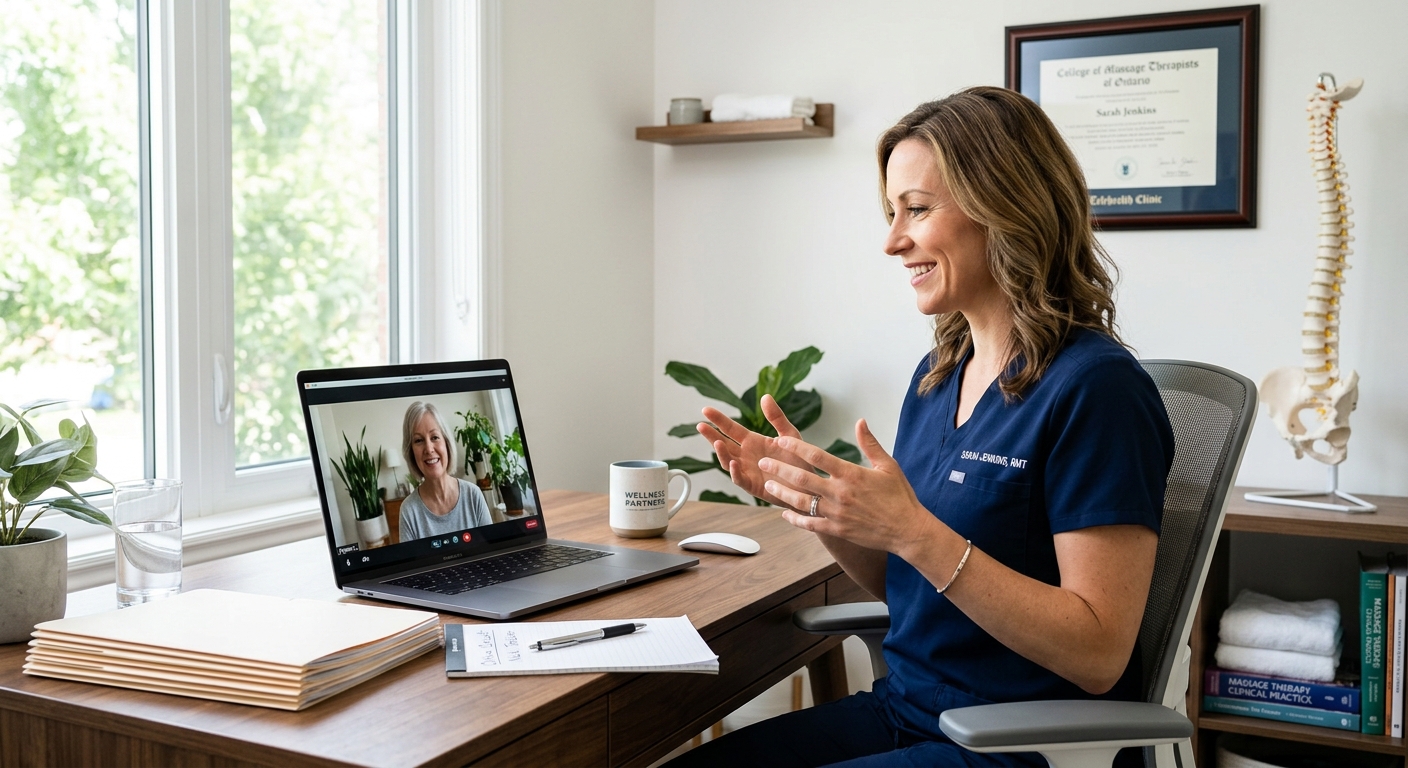
Visual context for the article: Online Consultation Tactics for RMTs
Implementing Effective Online Communication
Effective online communication is crucial for successful virtual consultations and fostering strong client relationships. Key strategies for RMTs include:
- Professionalism: Maintain a professional demeanour and appearance during virtual sessions, consistent with in-person consultations.
- Secure Platforms: Use encrypted, PIPEDA-compliant platforms to protect client privacy and build trust. In Canada, patient information must be handled according to the Personal Information Protection and Electronic Documents Act (PIPEDA).
- Visual Aids: Incorporate visual aids, such as anatomical diagrams or demonstration videos, to enhance client understanding and engagement.
- Clear Communication: Explain treatment plans, progress, and expectations clearly to foster collaboration and transparency.
- Website Integration: Utilize your professional website to communicate your services, values, and resources, and to facilitate online booking.
By implementing these strategies, RMTs can create a seamless, informative, and engaging virtual consultation experience for their clients.
Utilizing Digital Tools for Diagnosis
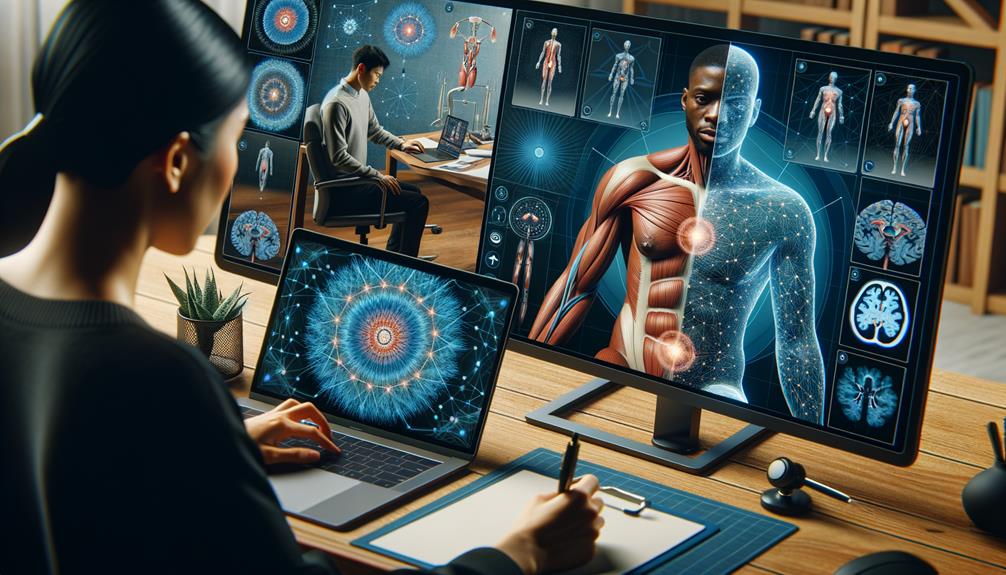
Digital tools have transformed how RMTs assess clients during virtual consultations. These tools enable visual assessment, in-depth symptom discussion, and the development of targeted treatment plans. According to a survey, 85% of healthcare providers reported improved patient outcomes through telehealth tools. Digital tools are essential for efficient client assessment.
Essential digital tools for RMTs include:
- Video conferencing platforms for face-to-face assessment and interaction.
- Secure messaging and file-sharing tools for symptom discussion and information exchange.
- Digital intake forms and questionnaires for efficient data collection and analysis.
By leveraging these digital tools, RMTs can enhance diagnostic accuracy, efficiency, and convenience during virtual consultations, ultimately improving client outcomes and satisfaction.
Delivering Therapeutic Solutions Remotely
Virtual consultations enable RMTs to develop personalized treatment plans, provide self-care guidance, and demonstrate therapeutic exercises remotely. This approach offers a powerful way to expand your client base and effectively manage your small business.
Key strategies for delivering remote therapeutic solutions include:
- Tailored Treatment Plans: Develop customized treatment plans based on each client’s unique needs, goals, and preferences.
- Self-Care Guidance: Provide detailed instructions and resources for self-massage techniques, stretches, and lifestyle modifications to support client progress between sessions.
- Exercise Demonstration: Use video demonstrations and clear verbal cues to guide clients through therapeutic exercises and ensure proper form and technique.
- Progress Monitoring: Utilize online tools and regular check-ins to monitor client progress, adjust treatment plans as needed, and provide ongoing support.
By effectively delivering therapeutic solutions remotely, RMTs can improve client outcomes, increase client retention, and build a strong reputation for their practice. For more on expanding your professional reach, consider our post on Starting a Medical Practice.
Building Trust and Rapport Online

Building trust and rapport is essential for establishing robust and lasting client relationships, particularly in virtual consultations. Key strategies for RMTs include:
- Empathetic Communication: Demonstrate genuine care and concern for your client’s well-being through active listening, compassionate responses, and personalized attention.
- Professionalism and Confidentiality: Maintain a high standard of professionalism and respect for client privacy during all virtual interactions to foster trust and credibility.
- Testimonials and Success Stories: Share positive client experiences and outcomes to demonstrate expertise and build confidence in your services.
- Consistent Follow-Up: Regularly check in with clients between sessions to offer support, address concerns, and reinforce your commitment to their progress and well-being.
Prioritizing trust and rapport-building in virtual consultations creates a strong foundation for lasting, mutually beneficial client relationships.
Online consultation tactics offer RMTs a powerful way to expand their reach, improve client outcomes, and build a thriving practice. By understanding the virtual consultation process, implementing effective communication strategies, leveraging digital tools, delivering remote therapeutic solutions, and prioritizing trust and rapport-building, RMTs can successfully integrate virtual consultations into their practice and provide high-quality care to a broader client base.
Frequently Asked Questions
How to Do Consultation for Massage?
As a massage therapist, I strive to understand my clients’ needs by using a comprehensive form to collect healthcare details, discussing their session goals, and addressing any concerns. This allows me to tailor the massage to their specific requirements and ensure they feel comfortable and relaxed throughout the process.
How Can I Increase My Massage Booking?
To increase massage bookings, I combine modern conveniences with foundational practices. I offer online scheduling options and automated reminders for clients, which provides convenience and ensures they are aware of their appointments. Additionally, I clearly outline my practice policies to set explicit expectations from the outset. Sharing client testimonials has also proven effective, as it offers potential clients insight into the quality of service they can anticipate. A blend of traditional client care and modern technology significantly boosts bookings.
What Questions Should a Massage Therapist Ask a Client?
As a massage therapist, I gather a thorough health history, including past injuries, current conditions, and medications. I also discuss areas of discomfort, pain perception, and your goals for treatment. Lifestyle factors such as stress levels, daily activities, and sleep habits are important to understand. Finally, I confirm your expectations for the session and overall treatment objectives to ensure a personalized approach.
How Do I Convince Clients for a Massage?
Many people overlook the significant benefits of massage therapy beyond simple relaxation. Regular massages, for instance, can effectively manage stress and enhance circulation. I’ve personally observed these positive effects in numerous clients. The benefits extend beyond immediate relief, contributing to long-term wellness. Countless testimonials confirm noticeable improvements in overall well-being directly attributed to massage therapy. If you’re hesitant to try it, we often have special offers for new clients to experience the advantages without financial concern. You stand to gain significant relaxation and health benefits.
Are Virtual Consultations recognized by Canadian regulatory bodies for RMTs?
While virtual consultations are increasingly common, RMTs in Canada must adhere to the specific guidelines set by their provincial regulatory bodies, such as the College of Massage Therapists of Ontario (CMTO). These guidelines often cover aspects like patient consent, privacy, appropriate use of technology, and the scope of practice for remote services. It is crucial for RMTs to consult their provincial college for the most up-to-date and specific requirements regarding virtual consultations.