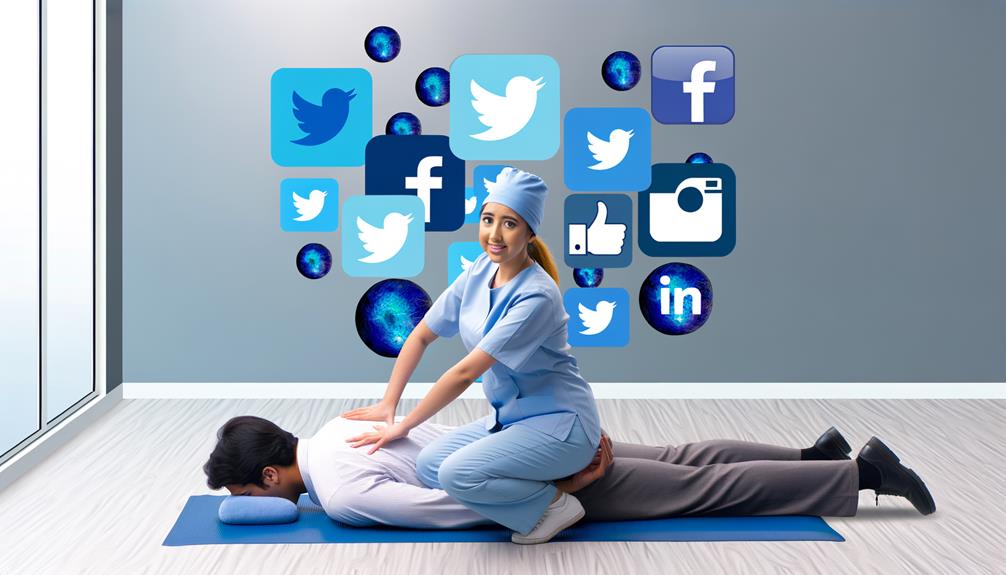
Social media gives chiropractors something traditional advertising never could: direct, ongoing access to the community they serve. Done well, it builds the kind of familiarity and trust that makes a prospective patient think of your clinic first when they wake up with a pinched nerve or refer a friend who’s been dealing with chronic back pain. Done poorly, it’s a time drain with no measurable return. The difference comes down to strategy.
Choosing the Right Platforms
Not every social media platform will serve your practice equally. For most chiropractic clinics, Facebook and Instagram offer the strongest return — Facebook for its reach within local community groups and its demographic alignment with adult patients managing musculoskeletal conditions, Instagram for visual storytelling and younger patient acquisition. LinkedIn is worth maintaining for professional networking and referral relationships with other healthcare providers.
The American Chiropractic Association provides guidance on professional conduct in digital communications — a useful reference for chiropractors navigating what’s appropriate to share publicly about clinical practice. Before investing in any platform, verify that your content approach aligns with your regulatory body’s guidelines on advertising and patient testimonials.

Social media is one of the most cost-effective channels for chiropractors to build local awareness and patient trust
Content That Builds Trust
The most effective chiropractic social media content educates first and promotes second. Posts that explain what a specific adjustment addresses, demystify a common patient concern, or share evidence-based context for a treatment approach demonstrate clinical expertise far more convincingly than promotional posts.
Think about the questions your patients ask most often and answer them publicly. “Why does my neck crack when I turn it?” “Is chiropractic care safe during pregnancy?” “What’s the difference between a muscle spasm and a disc issue?” These posts serve prospective patients who are already searching for answers, and they position you as a knowledgeable, approachable authority before anyone steps through your door.
Consistency and Scheduling
The single most common failure in chiropractic social media marketing is inconsistency — bursts of activity followed by weeks of silence. Platforms reward consistent posting with higher organic reach, and prospective patients who visit a profile with sporadic activity often question whether the practice is still active.
A sustainable baseline for most solo or small group practices is three to five posts per week on your primary platform, with lower frequency on secondary platforms. Use scheduling tools (Meta Business Suite, Later, or Buffer) to batch-create content once a week rather than posting in real time — this dramatically reduces the daily cognitive load and makes consistency achievable. For broader marketing integration, see our guide on creating a winning chiropractic website — your social content should consistently point back to a site that converts visitors into patients.
Paid Social Advertising for Chiropractic Clinics
Organic social reach has declined significantly on most platforms over the past five years. For clinics with growth targets, paid social advertising — particularly Facebook and Instagram ads targeting local geographic areas — delivers measurable patient acquisition results at a cost that compares favourably with traditional advertising.
Start with a modest budget ($200–400/month) and test one or two clearly defined campaign objectives: appointment bookings or lead form completions. Target by location (within 10–15km of your clinic), age range (typically 25–65), and any available interest signals (health and wellness, fitness, family). Run campaigns for at least four weeks before assessing performance — shorter tests produce statistically meaningless results.
Responding to Comments and Reviews
Social media engagement is a two-way channel. Responding to comments — questions, feedback, even negative reviews — demonstrates that a real, accountable person is behind the practice. Never ignore negative reviews on any platform; a professional, empathetic response that acknowledges the patient’s experience and invites them to contact you directly shows prospective patients how you handle problems, which is often more trust-building than an unblemished review record.
Frequently Asked Questions
How Many Social Media Platforms Should a Chiropractor Be On?
Start with one or two and do them well. Facebook and Instagram cover the broadest demographic base for most chiropractic clinics. Adding more platforms before you’ve established a consistent presence on your primary ones spreads effort without proportionate return.
Can I Share Patient Testimonials on Social Media?
Yes, with explicit written consent and in compliance with your jurisdiction’s healthcare advertising regulations. Always anonymise content unless the patient has specifically consented to identification. Check your regulatory body’s guidelines before posting any patient-specific content.
How Do I Measure Whether Social Media Is Working?
Track metrics that connect to business outcomes: website clicks, appointment enquiry form submissions, and direct messages asking about services. Vanity metrics (likes, followers) are useful context but don’t pay the bills. Set up UTM parameters on links from social posts to track which content drives website visits and conversions in Google Analytics.
What Types of Video Content Work Best for Chiropractors?
Short-form educational videos consistently outperform other content types for healthcare practitioners. 60–90 second explanations of specific conditions, treatment approaches, or patient FAQs perform well on Reels and TikTok. Behind-the-scenes clinic content (treatment room setup, a day in the practice) builds familiarity and trust. Avoid promotional content masquerading as educational — audiences are sophisticated and disengage quickly from thinly disguised ads.
Should I Post About My Personal Life on My Clinic’s Social Media?
Selective personal content — professional milestones, community involvement, relevant personal interests — humanises the practice and builds genuine connection. The test is relevance: does this content serve the audience’s experience of you as their chiropractor? Personal content that has no connection to your professional role or community is better suited to a personal account.
How Do I Handle Negative Comments on Social Media?
Respond promptly, professionally, and without defensiveness. Acknowledge the person’s experience, thank them for bringing it to your attention, and invite them to contact you directly to resolve it. Never argue publicly or make accusations. Delete only content that is abusive, threatening, or discriminatory — removing genuine negative feedback looks worse than the original comment.